ENDE
Status: Planned – Last reviewed: 30 September 2026

IF26 Heat Auction: €1 Billion for Industrial Process Heat Decarbonisation

The IF26 Heat Auction is the second Innovation Fund heat auction. It launches in December 2026 with a planned budget of €1 billion raised from the auctioning of EU Emissions Trading System allowances. The Final Terms and Conditions were published on 24 September 2026.

The auction follows the IF25 heat pilot, which selected 65 proposals for funding.

What the IF26 Heat Auction Funds

The auction funds technologies that decarbonise industrial process heat. Process heat refers to the energy used to generate medium and high temperatures for manufacturing activities in sectors such as chemicals, pulp and paper, steel, food and beverage, and cement.

The second edition expands eligibility to projects using heat from as low as 80°C and adds incentives for flexibility solutions that reduce pressure on the electricity system.

National contributions may top up the auction budget via the Auction-as-a-Service (AaaS) feature.

Eligible Technologies

Three categories are eligible:

Electrified technologies

Heat pumps, thermal storage, plasma torches, electric boilers.

Direct renewable heat

Solar thermal, geothermal.

Nuclear technologies

Small modular reactors (first time under a heat auction).

How the Auction Works

MechanismDetail
Award mechanismCompetitive bidding
Subsidy typeFixed premium
Payment basisPer tonne of direct CO₂ emissions abated
Support durationMaximum five years
Budget€1 billion planned

Successful bidders receive a fixed premium subsidy, linked and proportional to each tonne of direct CO₂ emissions abated, for a maximum of five years.

The Heat Auction uses a competitive bidding mechanism under which successful bidders receive support linked and proportional to each tonne of direct CO₂ emissions abated, for a maximum of five years.

The Final Terms and Conditions published on 24 September 2026 set the applicable participation and support framework for the auction.

Compare with the IF26 Hydrogen Auction

Eligibility and Scope

ItemDetail
Project sizesAll sizes
Eligible sectorsEvery industrial sector across the EEA
Process typeContinuous industrial processes and flexibility solutions
Minimum heat thresholdSome projects using heat from as low as 80°C

The auction serves projects that use continuous industrial processes and incentivises flexibility solutions that avoid electricity consumption in peak hours or technologies that do not require electricity.

National Information Webinars

Innovation Fund National Contact Points are organising national information webinars throughout October 2026. Attendance is open to all.

DateCountry
01 October 2026Ireland
05 October 2026Romania
06 October 2026Spain
07 October 2026Norway, Sweden, Finland, Denmark
13 October 2026Germany, Austria
20 October 2026Netherlands, Belgium, Luxembourg
27 October 2026Czechia, Slovakia
29 October 2026Italy
30 October 2026France

Timeline

DateMilestone
May 2026Draft Terms and Conditions published for consultation
July 2026Stakeholder consultation event
24 September 2026Final Terms and Conditions published
October 2026National information webinars
December 2026Call planned to open
February 2027Call planned to close

Always verify current dates in the official call document.

Prepare for the IF26 Heat Auction

Official sources

FAQ

What does the IF26 Heat Auction fund?

Technologies that decarbonise industrial process heat, including electrified technologies, direct renewable heat and nuclear technologies.

What is the budget?

€1 billion planned, raised from the auctioning of EU ETS allowances.

What technologies are eligible?

Electrified technologies (heat pumps, thermal storage, plasma torches, electric boilers), direct renewable heat (solar thermal, geothermal) and nuclear technologies (small modular reactors).

How does the auction work?

Successful bidders receive a fixed premium linked and proportional to each tonne of direct CO₂ emissions abated, for a maximum of five years.

What is the minimum heat threshold?

Some projects using heat from as low as 80°C are eligible.

When does the Heat Auction open and close?

The Commission currently plans an opening in December 2026 and a closing in February 2027. Verify the final dates in the official Terms and Conditions.

Are there national information webinars?

Yes. National Contact Points are organising webinars throughout October 2026. Attendance is open to all.

What is Auction-as-a-Service?

A mechanism allowing national contributions to top up the auction budget using the Innovation Fund’s process.

All Innovation Fund calls

IF26 Heat Auction scope, timelines, eligibility and funding routes depend on the official Terms and Conditions and European Commission decisions. This page is for general information and does not constitute legal advice or a guarantee of funding.

↑ Back to top

Leaf l green.png

Clean Energy

In 2019 the EU completed a comprehensive update of its energy policy framework to facilitate the transition away from fossil fuels towards cleaner energy and to deliver on the EU’s Paris Agreement commitments for reducing greenhouse gas emissions.

The agreement on this new energy rulebook – called the Clean energy for all Europeans package – marked a significant step towards the implementation of the energy union strategy, published in 2015.

Climate, Energy and Mobility is the focus for Cluster 5 in Horizon Europe. This clusters aims to fight climate change by better understanding its causes, evolution, risks, impacts and opportunities, and by making the energy and transport sectors more climate and environment-friendly, more efficient and competitive, smarter, safer and more resilient

More information here.

Recent Projects

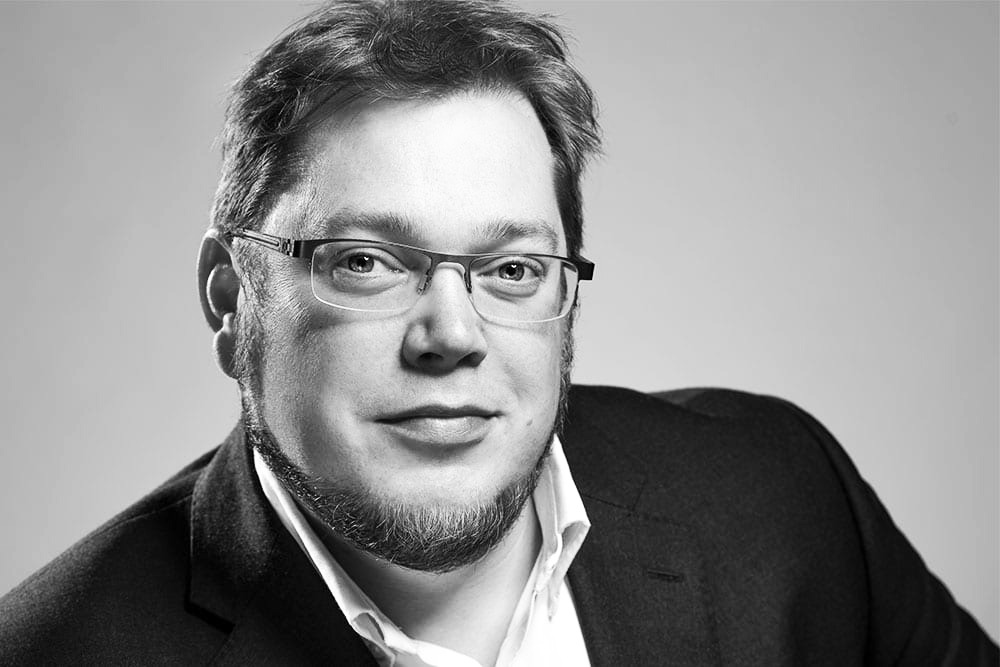
Mortiz Thiede

Dr. Mortiz Thiede

Financial Modelling & Loan Facilities

Dr. Moritz Thiede strengthens Impact Funding Europe’s finance work with robust modelling and debt-structuring expertise. Trained as an economist (Diplom-Volkswirt), he has served as a Senior Consultant delivering complex company analyses, controlling systems, restructuring support, and financing advisory.

He builds bankable financial models, develops scenarios that survive stress tests, and translates project narratives into lender-ready numbers—cashflow logic, covenants, and repayment capacity. Moritz supports clients in structuring loan facilities, negotiating term sheets, and aligning funding strategy with operational reality, including blended finance approaches where grants and debt must fit together cleanly. He works comfortably with lenders and investors alike.

Olaf Gerd Gemein

Olaf Gerd Gemein

Verocity

Olaf is a passionate Serial Entrepreneur and Business Architect with a specific ambition: to be a change catalyst!

With over 30 years of practical experience in various markets in Europe, Asia, North and South America and Canada, he has successfully supported more than 100 projects in the ICT sector. His contributions have focused on accelerating start-up and innovation clusters, building networks, products and services from scratch, facilitating and implementing go-to-market strategies. He is frequently asked to speak at conferences and facilitate networking on smart tech topics around the world.

Peter Schottes

Peter Schottes

Eisenschmidt Consulting

Peter holds a PhD in nature science (climate impact research), worked as a project manager for software development and as a freelance consultant. He is managing director and shareholder of Eisenschmidt Consulting Crew in Kiel, Germany. He is a specialist in transformation projects and works as a sparring partner for top executives. His focus in on strategy development, digital transformation and concept development.

Peter is active as advisor for StartUps and Angel investor. At IFE he overlooks the entire process of community building, stakeholder management and is also responsible for the project kick-offs.

Alex neu

Alex Chalkley

Venturenomix

Alex has a BSc in Mathematics, Economics & Computing and has already built a market-leading R&D Funding Consultancy in the UK from 2009 to 2019. Alex has developed funding bids, mainly in the form of R&D Grant Applications, that have secured over €60m for clients operating at the forefront of technology innovation. Venturenomix, focuses on supporting Impact Ventures by offering specialist funding related consultancy services to ambitious people seeking funding for good projects. At IFE, Alex is Managing Director and responsible for all aspects of the business, in particular recruiting, mentoring and adding value to the EU Grant Writing Consultants working on multi-million Euro EU Grant Applications.

Smart city l green

Smart City

A smart city is a place where traditional networks and services are made more efficient with the use of digital and telecommunication technologies for the benefit of its inhabitants and business. 

A smart city goes beyond the use of information and communication technologies (ICT) for better resource use and less emissions. It means smarter urban transport networks, upgraded water supply and waste disposal facilities and more efficient ways to light and heat buildings. It also means a more interactive and responsive city administration, safer public spaces and meeting the needs of an ageing population. Last not least, it aims to make a city a healthier, more sustainable and more attractive place to be for its residents and visitors.

More than half of the world’s population now lives in urban areas. This is expected to reach 80% by 2050. Cities and metropolitan areas are centres of economic activity, knowledge generation, innovation and new technologies. Cities influence the quality of life of citizens who live or work in them and they are major contributors to global challenges.

A mission in this area will help us meet the goals and targets set out by international policy frameworks such as the COP21 Paris Agreement, the UN’s Sustainable Development Goals (notably SDG11), the Urban Agenda for the EU and the Habitat III New Urban Agenda as cities play a key role in all of them.

Read more here.

Recent Projects

Green city l green

Green Deal

The European Green Deal sets out how to make Europe the first climate-neutral continent by 2050. It maps a new, sustainable and inclusive growth strategy to boost the economy, improve people’s health and quality of life, care for nature, and leave no one behind.

The Green Deal spans and informs all of the Horizon Europe Pillars and Destinations. As such, there is no dedicated funding programme, apart from Horizon Europe itself. This strategy underpins Horizon Europe funding from 2021-2027. You can read more about the Pillars and funding opportunities here.

Recent Projects

Laptop l green

Open Data

The success of Europe’s digital transformation will depend on establishing effective rules to ensure trustworthy technologies, to give businesses the confidence and means to digitise, and to ensure highest privacy standards for citizens. The Data Strategy and the White Paper on Artificial Intelligence are the first pillars of the new digital strategy of the Commission. They all focus on the need to put people first in developing technology, as well as on the need to defend and promote European values and rights in how we design, make and deploy technology in the economy.

The European strategy for data aims at creating a single market for data that will ensure Europe’s global competitiveness and data sovereignty. Common European data spaces will ensure that more data becomes available for use in the economy and society, while keeping companies and individuals who generate the data in control.

Cluster 4 in Horizon Europe is dedicated to Digital, Industry and Space. The overarching vision behind the proposed investments under Cluster 4 is that of Europe shaping competitive and trusted technologies for a European industry with global leadership in key areas, enabling production and consumption to respect the boundaries of our planet, and maximising the benefits for all parts of society in the variety of social, economic and territorial contexts in Europe.

This will build a competitive, digital, low-carbon and circular industry, ensure sustainable supply of raw materials, develop advanced materials and provide the basis for advances and innovation in  global challenges to society.

Recent Projects

Electric car l green

Mobility

The European Green Deal calls for a 90% reduction in greenhouse gas emissions from transport in order for the EU to become a climate-neutral economy by 2050, while also working towards a zero-pollution ambition. To achieve this systemic change, we need to (1) make all transport modes more sustainable, (2) make sustainable alternatives widely available in a multimodal transport system and (3) put in place the right incentives to drive the transition.

Climate, Energy and Mobility is the focus for Cluster 5 in Horizon Europe. This clusters aims to fight climate change by better understanding its causes, evolution, risks, impacts and opportunities, and by making the energy and transport sectors more climate and environment-friendly, more efficient and competitive, smarter, safer and more resilient

More information here.

Recent Projects

Leaf l green

Agriculture

The Farm to Fork Strategy is at the heart of the Green Deal. It addresses comprehensively the challenges of sustainable food systems and recognises the inextricable links between healthy people, healthy societies and a healthy planet. The strategy is also central to the Commission’s agenda to achieve the United Nations’ Sustainable Development Goals (SDGs). All citizens and operators across value chains, in the EU and elsewhere, should benefit from a just transition, especially in the aftermath of the COVID-19 pandemic and the economic downturn. A shift to a sustainable food system can bring environmental, health and social benefits, offer economic gains and ensure that the recovery from the crisis puts us onto a sustainable path. Ensuring a sustainable livelihood for primary producers, who still lag behind in terms of income, is essential for the success of the recovery and the transition.

Cluster 6 under Horizon Europe ringfences innovation grant funding for Food, Bioeconomy, Natural Resouces, Agriculture & Environment. This cluster aims at reducing environmental degradation, halting and reversing the decline of biodiversity on land, inland waters and sea and better managing natural resources through transformative changes of the economy and society in both urban and rural areas. It will ensure food and nutrition security for all within planetary boundaries through knowledge, innovation and digitalisation in agriculture, fisheries, aquaculture and food systems and steer and accelerate the transition to a low carbon, resource efficient circular economy and sustainable bioeconomy, including forestry.

More information here.

Recent Projects